Vaina — Dominican Meaning, Definition and Usage
Discover what vaina means in Dominican Spanish, how Dominicans use it every day, and why this versatile word can describe almost anything.
Vaina
Pronunciation:
VY-na
Part of speech:
Noun
Gender:
La
English equivalent:
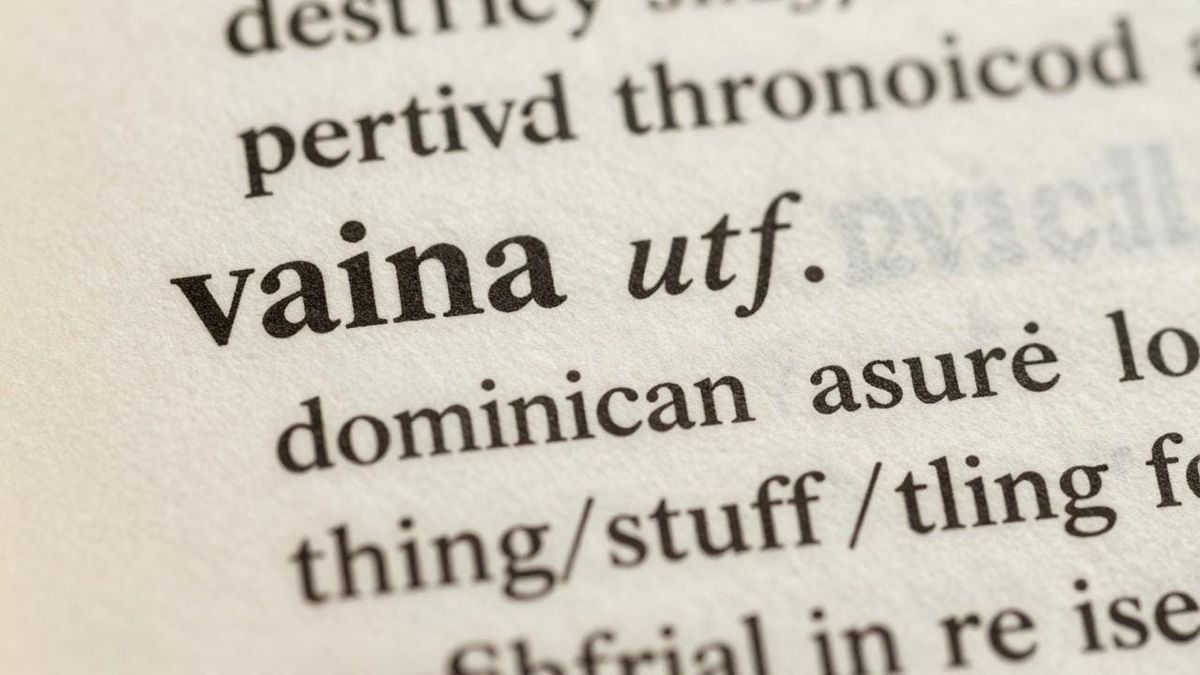
Thing, stuff, thingamajig, situation, problem, issue (depending on context)
Meaning:
Vaina is one of the most versatile words in Dominican Spanish. Although its literal meaning refers to a sheath or pod, in everyday conversation it is commonly used as a substitute for almost any object, situation, problem, event, or idea. The exact meaning depends entirely on context, making it one of the most recognizable and frequently used words in Dominican speech.
What does "vaina" mean in Dominican Spanish?
In the Dominican Republic, vaina functions as an all-purpose noun. Rather than naming a specific object or situation, speakers often use vaina when the context already makes the meaning clear.
For example, it may refer to a physical object ("Pass me that thing"), an ongoing situation ("What happened with that whole thing?"), or a problem ("I do not want anything to do with that mess.").
Although the word exists throughout much of the Spanish-speaking Caribbean and Latin America, Dominican Spanish makes especially frequent and flexible use of it in everyday conversation.
How Dominicans use "vaina"
Dominicans of all ages use vaina in informal speech.
It is common among family members, friends, coworkers, and neighbors and can be heard in homes, workplaces, public transportation, television, radio, podcasts, music, and social media.
The word itself is not considered vulgar, although expressions containing stronger language may sound more forceful depending on the surrounding words and tone of voice.
Because its meaning changes with context, Spanish learners are encouraged to become familiar with how native speakers use it before trying to incorporate it into their own conversations.
Examples of "vaina" in Dominican Spanish
"Pásame esa vaina que está arriba de la mesa."
English:
"Pass me that thing that's on the table."
"¿Y qué fue lo que pasó con esa vaina?"
English:
"So what happened with that whole situation?"
Cultural background
Few words capture the conversational style of the Dominican Republic better than vaina. Its popularity reflects the fast-paced, context-driven nature of everyday Dominican communication, where speakers often rely on shared understanding rather than precise vocabulary.
The word is deeply embedded in daily life and appears naturally in conversations between friends and relatives, as well as in Dominican comedy, television, music, podcasts, and social media. Learning to recognize vaina greatly improves listening comprehension for anyone interested in Dominican Spanish.
Similar Dominican words and expressions
- qué lo qué — A common Dominican greeting similar to "What's up?"
- tiguere — A street-smart or resourceful person, with meaning that varies by context.
- chin — A small amount of something.
Regional variations
No major regional variation has been identified within the Dominican Republic. The word is widely understood and commonly used across the country, although individual speakers may use it more or less frequently depending on age, personality, and the formality of the conversation.
Is "vaina" used outside the Dominican Republic?
Yes. Vaina is widely used across the Caribbean and in several Latin American countries, including Cuba, Puerto Rico, Venezuela, Colombia, and Panama. However, the Dominican Republic is particularly known for how frequently and flexibly the word appears in everyday speech. While its general meaning remains similar, the range of situations in which Dominicans use vaina is especially broad.
Quick summary
| Topic | Details |
|---|---|
| Meaning | A highly versatile word referring to a thing, situation, problem, or almost anything else depending on context. |
| English equivalent | Thing, stuff, situation, issue |
| Used by | Dominicans of all ages in informal conversation |
| Register | Informal |
| Category | Dominicanismos |